
Today, more and more conversations regarding mental health have become destigmatized. However, because of progress, a trend of self-medication has emerged. A great number of people suffering from anxiety and depression now turn to misusing drugs or alcohol to deal with their distress. While temporary relief is achieved, they unknowingly create harm. Experiencing self-medicating anxiety and depression often leads to uncontrollable dependency cycles that can actually worsen an existing mental health condition. When the connection between substance use and mental health is understood, you’ll be able to take the first step in breaking your cycle.
What’s Behind Self-Medication
When a person self-medicates, they use medications normally prescribed for depression, anxiety, and other mental stressors without proper medical oversight. This often involves alcohol consumption to relax, stealing someone’s medication to even their mood, or escaping negativity through marijuana use. Besides these, it may involve misusing prescription medications by taking an amount higher than what was prescribed, mixing other substances with them, or consuming expired medications.
While you may think that self-medicating provides short-term relief, it fails to address the actual cause of your distress. However, it does cover up temporary symptoms so that a mental health condition can worsen. Plus, the substance has time to change a brain’s chemistry, which can worsen depression instead of alleviating it.
As a coping mechanism, it can quickly turn into dependence after a person is accustomed to the drug. This leads to an even higher need for the drug to reach an equal level, and if the level is not reached, withdrawal symptoms can set in.
Reasons for Self-Medicating
Many reasons exist for self-medicating anxiety and depression, with many of them being personal. While you may think people do it out of recklessness, that isn’t always the case. The majority do it because of desperation. Some motivations for self-medicating include:
- Being unaware of any bad behavior at all
- The presence of social stigmas
- Barriers to accessing necessary help
- A desire to numb all emotional pain
Sadly, the consequences of their actions worsen their suffering, although their intentions were good.
Self-Medicating’s Affect On Mental Health
Because of self-medicating affecting the brain chemistry, involving serotonin and dopamine, both mood and emotions are impacted directly. With continuous substance use, episodes of anxiousness and depression occur more often.
Some examples of this involve alcohol being used as a depressant. Though anxiety is lowered, it also decreases a person’s mood and sleep. Another one is marijuana, which works to relax you, but can also increase anxiousness.
Whenever these substances are within the body, the brain is unable to properly produce chemicals that regulate mood. This is when dependency occurs, and the individual is unable to properly function without it. This causes a dangerous trap where the person is unable to achieve stability for the long term.
How Mental Health Issues and Substance Use Are Connected
There is a huge connection between mental health disorders and substance use. As both are experienced, it becomes co-occurring. People with this dual diagnosis disorder are more prone to an increase in anxiety and depression. Plus, with an overlap like this, diagnosing becomes difficult, and there are challenges to providing proper treatment.
Without intervention, the cycle becomes reinforced. Substance use is fueled by mental health issues, which become exacerbated. This is why both mental health and substance use must be addressed.
Commonly Misused Medications
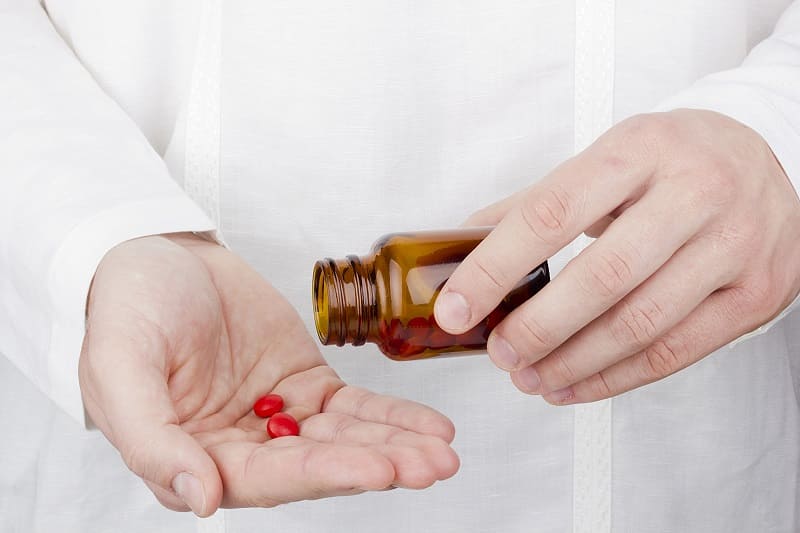
When properly used, prescription medications become a powerful way to manage depression and anxiety. However, when misuse takes place, a dangerous result happens. Some medications that are commonly misused involve Xanax or Valium for anxiety, Ritalin or Adderall to increase focus or mood, Vicodin or OxyContin for pain, and any antidepressant, although not as common.
A person on any of these medicines, even though the medicines are prescribed, needs to be supervised by medical professionals. If not, then treatment becomes undermined and could result in deadly complications later on.
Self-Medicating Signs to Be Aware Of
Self-medicating is not easy to spot when it begins. Some of the signs to be aware of include noticing that the person’s reliance on drugs has increased, that they run out of medication faster than normal, they appear withdrawn and/or restless, or they hide their misuse from others.
Co-Occurring Treatment Options
When treating the co-occurring disorders, it is essential to treat both at the same time. When treatment is one-sided, there is a higher chance of relapse. American Treatment Network utilizes treatment programs that approach integrated therapy, behavioral health counseling, medication management, and medical detox to address both the mental health condition and addiction.
With behavioral therapy, you can understand triggers, while support groups offer a balance so that relapse does not occur.
Starting the Healing Process

If you need help with self-medicating anxiety and depression, then you’ll be glad to know that help is within reach. To ensure that recovery takes place, there are some steps to take to begin your healing process.
First, you should always start with an evaluation by a medical professional. They can determine if your symptoms are co-occurring in nature and develop your treatment plan. Avoid unsupervised detoxing, which is dangerous in itself. By having supervision, you remain safe and comfortable throughout your detox. You should also engage during therapy so that your therapist can uncover the roots of the substance use and provide you with strategies for healthy coping. This is making a commitment to your wellness for the long term.
Progressing Confidently
While momentary relief is achieved through self-medicating, it comes with a high price. Gradually, your anxiety deepens, and your depression intensifies. This high intensity makes you prone to addiction and future complications. The worst part is the isolation and silence that accompany it.
When you free yourself from self-medicating, your courage, guidance, and support increase. With American Treatment Network, you’ll have a team of specialists ready to help you get over the challenges of self-medicating. So whether it’s mental health issues or prescription misuse, you’ll have the proper tools to overcome the dangers of self-medicating anxiety and depression.
If you are struggling with self-medicating, contact the American Treatment Network today and rediscover the peace, clarity, and strength you deserve.