
Millions of Americans are affected by opioid addiction. Because of this, careers, families, and communities are directly affected. If you are battling an opioid addiction, it’s good to know that there is effective treatment available. In order for the treatment to be effective, it must do more than manage your dependence. It needs to create a lasting recovery. Medication-Assisted Therapy provides an approach that is evidence-based and combines medications with behavioral therapy and counseling in order to support healing. Once MAT for opioid addiction is understood, you’ll have a recovery option that includes dedicated healthcare professionals.
What Science Says About MAT for Opioid Addiction?
When opioids reach the brain, they attach to pain and other regulating receptors. Once dependency is achieved, an adjustment is made by the brain that requires an increase in opioid in order for the same effects to be achieved, known as tolerance. A person goes into withdrawal when the increased amount is not achieved or maintained within the body.
Through medication-assisted therapy, a neurochemical imbalance can be addressed. For instance, suboxone treatment activates brain receptors to control cravings and withdrawal without causing a high. The individual is then able to function normally while the brain heals.
With methadone, this opioid agonist eliminates withdrawal and helps stabilize, so lives can be rebuilt. Incorporating naltrexone helps block opioids from reaching receptors and prevents any adverse effects.
MAT Effectiveness
Medication-assisted therapy is effective because of its approach. When you participate in this therapy, you will likely succeed in your treatment. Not only will the medications decrease your craving, but your brain will achieve a renewed balance.
Your body’s ability to stabilize helps you to gain strength and concentrate on recovery efforts. You can then participate actively in counseling and establish skills to cope.
Plus, fatal overdose can be prevented through MAT or suboxone treatment and can lower your chances of being exposed to other substances, such as fentanyl.
Overcoming Misconceptions of Medication-Assisted Therapy

Although a lot of evidence exists to support it, there are still some lingering misconceptions. One of these is that the treatment simply replaces one drug with another, risking a continued addiction.
It’s important to understand that medications used in MAT are tools to help achieve addiction recovery. Under medical supervision, the medications don’t create euphoria or intoxication, so you can engage in creating healthy habits through therapy.
Misconceptions originate from having no clear understanding of the addiction. It is important to understand that an addiction to opioids is a chronic condition. So when recovering, there is a need for long-term support for the stability to be maintained. Recognizing this helps build compassion and promotes the acceptance of MAT for opioid addiction.
Behavioral Therapy and Counseling’s Role in MAT
Although medication plays a major role in MAT, addiction recovery must include behavioral therapy and counseling to ensure an individual’s social, emotional, and psychological health is maintained. With these approaches, individuals are empowered to recognize any triggers, create coping skills, and restore broken relationships.
Support groups offer encouragement and community while reducing isolation. This will lead to an improved integration of medication so that recovery is sustained.
Incorporating Suboxone Treatment
Suboxone treatment is another accessible option that’s highly used with MAT. As a mix of buprenorphine and naloxone, suboxone can prevent the use of opioids and eliminate cravings and withdrawal.
Blending buprenorphine ensures the right amount of stimulation is achieved so that withdrawal is prevented and euphoria is limited. Mixing in naloxone prevents misuse by triggering withdrawal instead of euphoria, which gives increased safety throughout treatment.
Your suboxone treatment is a flexible way to achieve success and is available in outpatient settings. This allows you to care for your family or go to work as you receive treatment. With this accessibility, treatment is both practical and effective and does not require daily visits to a clinic.
Long-Term Medication-Assisted Treatment
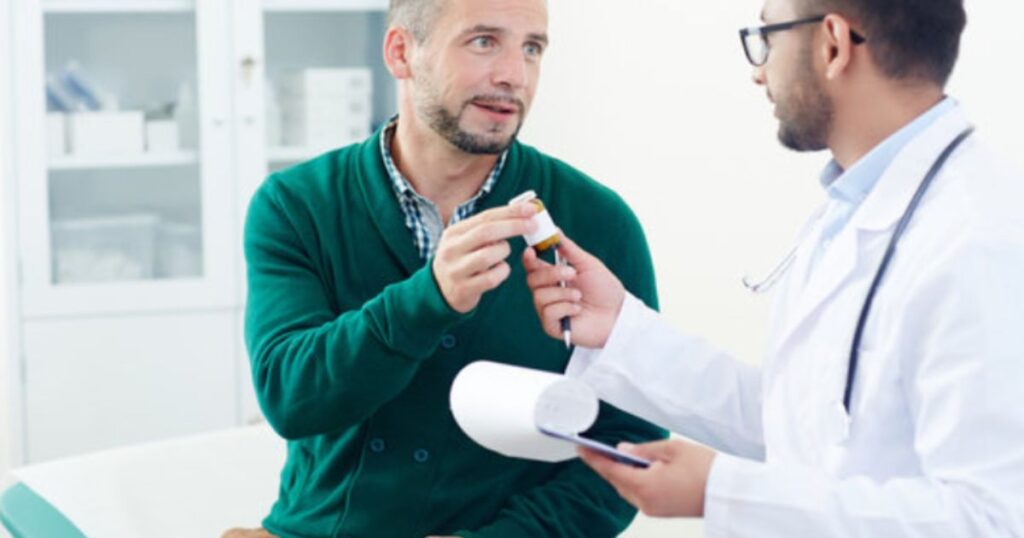
Medication-assisted treatment is not designed for the short term. With that, you can expect your opioid recovery to be long-term. In fact, many remain in recovery for years, based on how they are progressing.
Receiving MAT for the long term is an approach that maintains stability and health. It also ensures you reach the point where you can maintain your recovery in a confident manner.
Oftentimes, the MAT program evolves with you over time. This allows a constant change in focus on personal growth, employment, and life skills. As your stability increases, your dosage may be decreased, or if continued maintenance is needed, you could have MAT indefinitely.
For long-term success to be reached during addiction recovery, it is important to maintain consistency and adhere to all medications and therapy.
Community Impact From MAT
Looking past the individual, medication-assisted therapy benefits the community both socially and economically. When the community supports and implements a MAT program, it will see a decrease in crime related to opioid use, deaths due to overdose, and visits to an emergency room.
With so many individuals regaining their lives through MAT, they are able to return to their families and jobs and contribute to society in a positive manner again. This effect is what strengthens the community and decreases the costs normally seen when treatment is not sought.
Taking the Path to Healing
When you take part in an MAT program, you have an approach that is an effective, evidence-based, and compassionate method for opioid treatment. When a stable medical treatment is combined with behavioral therapy and counseling, you have the tools necessary to achieve addiction recovery.
Whether the recovery is made through naltrexone therapy, suboxone treatment, or methadone maintenance, American Treatment Network can help you. Call today to achieve a balance through MAT that allows you to rebuild your life.