
Summer is supposed to be the feel-good season. What’s not to love about sunshine, outdoor adventures, and time off? Unfortunately, not everyone thrives under the summer sun.
For some, rising temperatures and long daylight hours trigger anxiety, irritability, and disrupted sleep. That matters more than most people realize, especially in the context of addiction recovery. Mood shifts that come with the season can quietly sabotage progress if they go unchecked.
Let us unpack the relationship between summer depression and addiction recovery, explore the science behind seasonal mood changes, and offer real strategies for staying grounded.
Understanding Summer Depression and Seasonal Mood Shifts
We usually associate seasonal affective disorder (SAD) with winter: short days, low energy, and a craving for carbs. However, a lesser-known variant called summer SAD flips that pattern on its head. Instead of feeling slow and tired, people report restlessness, insomnia, anxiety, and a drop in appetite.
According to the National Institute of Mental Health, seasonal mood patterns stem from disrupted melatonin and serotonin rhythms. During summer, longer daylight hours suppress melatonin, the hormone that helps regulate sleep. At the same time, serotonin, which is linked to mood balance, can drop because of these shifts in light exposure.
A 1991 study by Rosenthal and Wehr compared 60 individuals, half with winter SAD and half with summer SAD. They found that while winter sufferers tended to feel sluggish and withdrawn, those with summer SAD were more likely to report agitation and insomnia. Notably, the summer group also faced reduced appetite and unintended weight loss, which contrasts sharply with the winter variant’s weight gain and overeating.
These effects appear to be more pronounced in hotter, more humid regions, particularly among individuals without consistent access to air conditioning. As climate change intensifies, this pattern may become more common.
The Overlooked Risk for People in Addiction Recovery
Seasonal mood shifts are a real threat to addiction recovery. That is because recovery depends heavily on emotional regulation, sleep, and stress management, all of which can be disrupted by summer depression.
A 2017 population-based study in Finland revealed strong correlations between SAD symptoms and alcohol use disorder (AUD). Participants with SAD showed higher rates of lifetime and recent substance abuse, especially when they experienced seasonal changes in sleep, mood, and energy.
In recovery, even minor emotional instability can set off cravings or make you more vulnerable to old triggers. During the summer, increased social gatherings, altered routines, and the emotional strain of mood disorders can work together to erode progress.
How Substance Use and Mood Disorders Reinforce Each Other
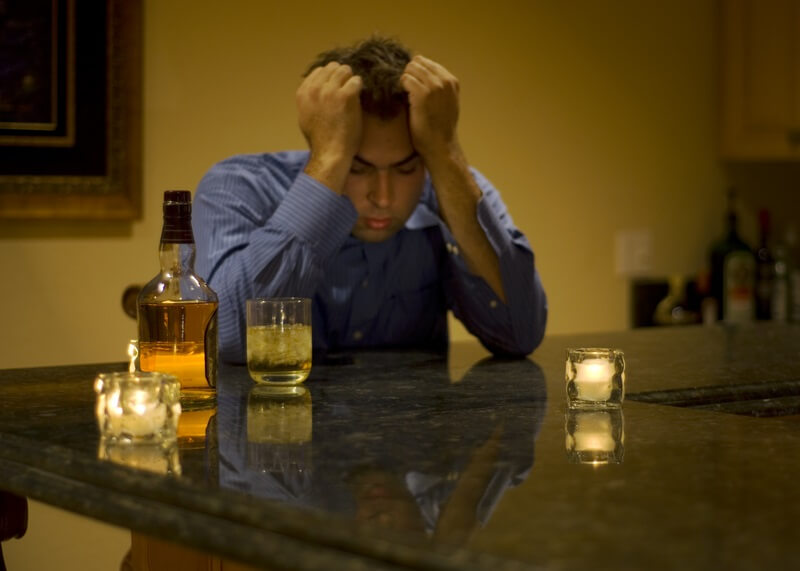
When emotional regulation breaks down, substance use often steps in to fill the gap, creating a cycle that is hard to escape.
1. Self-Medication Is a Slippery Slope
People struggling with seasonal affective disorder often try to manage their symptoms on their own. For many, that means alcohol. In winter, it is used to relax or escape sadness. In summer, some turn to stimulants to fight fatigue or marijuana to reduce agitation.
Individuals with depressive disorders, including SAD, are about twice as likely to develop a substance use disorder compared to the general population. The initial high may offer temporary relief. However, when the effect fades, symptoms return stronger. This rebound leads to more use, which can quietly evolve into dependency.
2. Cognitive Impairment Makes Recovery Harder
Another layer to consider is the effect of seasonal affective disorder on cognition. The same 2017 study from Finland found that people with both SAD and alcohol abuse performed worse on memory and verbal recall tests. When memory is impaired, it is harder to track therapy goals, follow through on coping strategies, or even remember what works in moments of stress.
For someone already navigating sobriety, that cognitive fog can increase relapse risk. It is not always a matter of willpower. Sometimes, the brain just is not firing on all cylinders.
Strategies That Protect Recovery During the Summer
There is no one-size-fits-all fix. Still, by building an intentional support system around known seasonal risks, it’s possible to stay resilient.
1. Seek Integrated Treatment for Dual Diagnosis
When addiction and a mental health condition occur together, the best approach is integrated care. This is known as dual diagnosis treatment, which is designed to address both issues simultaneously.
Cognitive behavioral therapy (CBT) is especially effective here, as it helps reframe negative thinking patterns while reinforcing behavioral skills that support sobriety.
Therapists trained in dual diagnosis can also identify whether depressive symptoms are a result of withdrawal, a pre-existing mood disorder, or seasonal influences, which is critical for creating the right plan.
2. Adjust Your Environment
You cannot control the weather, but you can control how you respond to it. If heat and humidity exacerbate symptoms, cool your space to alleviate anxiety and promote better sleep. Even basic changes, such as blackout curtains, cooling mattresses, or using fans during sleep, can reduce physical discomfort and emotional reactivity.
Sleep hygiene also matters. Maintain a consistent bedtime, limit screen time at night, and incorporate wind-down routines. These steps protect the clarity and emotional stamina needed for recovery.
3. Monitor Your Symptoms
Journaling or using a mood-tracking app can help identify patterns:
- Are you sleeping less?
- Eating less?
- Feeling more irritable in specific environments?
When you spot these changes early, you can flag them for your care team before they become more severe. Subtle shifts in serotonin and circadian rhythm can gradually build into clinical depression.
4. Explore Seasonal Support Tools
Some people benefit from medication, like bupropion, which was shown in a Canadian study to prevent depressive episodes in individuals with SAD when taken before symptoms start. Others find value in light therapy, even in summer, by using filtered lamps to help regulate circadian rhythm.
Get Ahead of Seasonal Struggles—We’re Here to Help
Addiction recovery is a long-term journey shaped by more than just willpower. Seasons change, and so do the challenges. American Treatment Network offers integrated care that includes support for mood disorders like summer SAD, whether you are just starting your recovery or navigating year two.
If summer brings cravings, disrupted sleep, or emotional strain, we want to help you stay on track. Together, we can adjust your recovery plan, support your mental health, and move forward with clarity.
Contact our team today, because addiction recovery does not take a summer break.