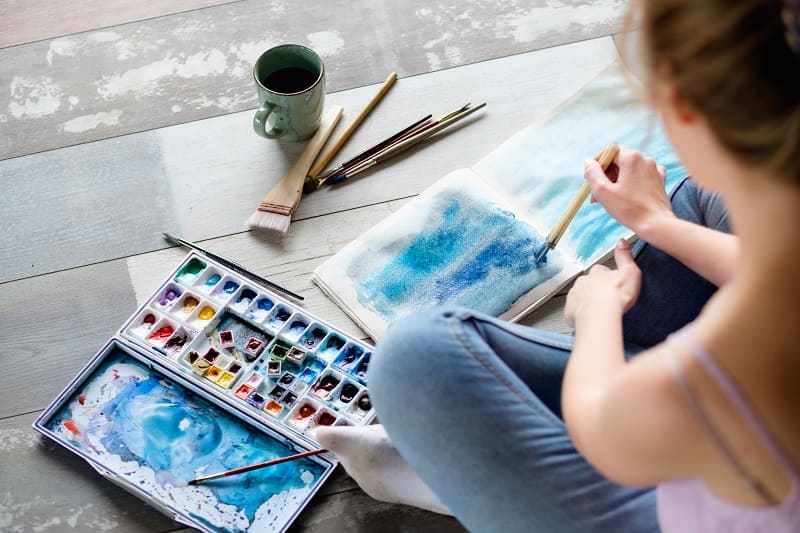
Often used along with clinical terms such as counseling, medications, and detox, addiction recovery is also associated with internal voices, memories, feelings, and wounds that go deeper than a description. Incorporating art therapy allows a way to reach creative expression.
During substance recovery, you’ll feel confusion, shame, anger, fear, and guilt. You may find it difficult to talk about. But with therapeutic art, these internal feelings can be externalized through collage, shape, gestures, or colors.
What Is Art Therapy For Addiction?
Art therapy for addiction uses creative visual media (drawing, painting, collage, and sculpture), under the guidance of a therapist, to help individuals externalize internal emotional states, process trauma nonverbally, and strengthen coping strategies beyond what words alone can capture.
Why Incorporate Art Therapy in Your Addiction Recovery?
With art therapy, there are several reasons to incorporate it into your addiction treatment:
- Catharsis: As collage, paint, or clay is manipulated, you’ll experience catharsis and a nonverbal sense of relief. This release decreases substance urges so you can escape.
- Rebuild Yourself: Being addicted can easily tear you down. With art therapy, you can recover and rebuild yourself through a new narrative and vision.
- Decreases Shame and Isolation: Recovery can make you feel invisible, unworthy, or broken. Reflecting or sharing art during group therapy helps to decrease shame and develop a stronger connection.
- Deter Relapse: While craving or in distress, you can turn to visual exercises, sketchbooks, or coloring to channel energy toward creativity and to disrupt urges.
Methods Of Art Therapy In Practice
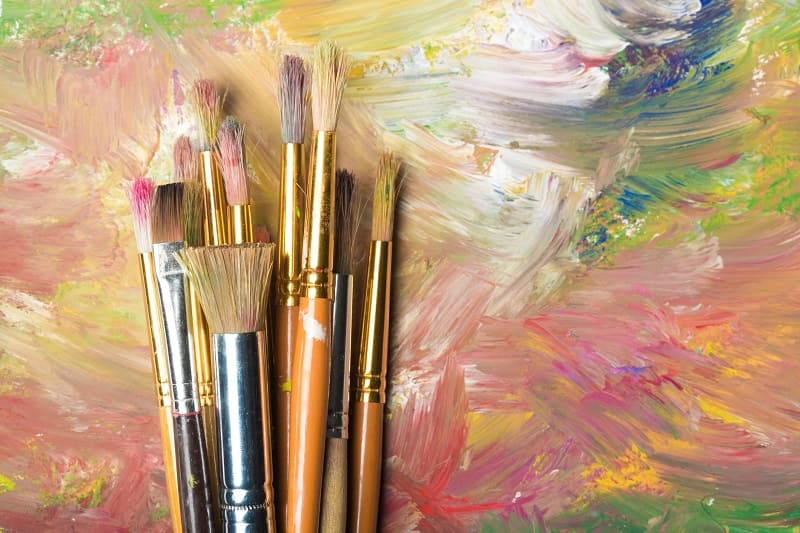
Art therapy’s goal isn’t to create art that is good. It involves an insightful and explorative process. Some methods you can use include:
- Creating a Collage: Cutting out magazine images to create visuals and metaphors.
- Creating Masks: Representing your inner self or public face, where you can then reflect on what it exposes or hides.
- Drawing Emotions: Conveying longing, conflicts, and tension in abstract lines, forms, and colors.
- Draw Self-Portraits: Drawing yourself over time and at various points helps you to make shifts.
- Sculpturing: Giving your tension and resistance shape.
- Mandala Work: Coloring various forms to improve focus, calm yourself, and relax.
- Sketch Journaling: Combining words with visuals such as doodles and sketches.
In all these examples, the facilitator or therapist can guide a nonjudgmental interaction through question prompts. Participants gain better insight into emotional pain, internal conflict, and relational dynamics.
How Art Therapy and Recovery Programs Intertwine?
To effectively work, art therapy for addiction must be integrated into a comprehensive, evidence-based care plan. Rather than replacing therapies like cognitive behavioral therapy, medication-assisted treatment, group therapy, relapse prevention, or motivational interviewing, art therapy is meant to complement them and enhance recovery outcomes.
It can be delivered through both group and individual models where the settings allow peers to connect and share experiences, and individual sessions support deeper, more personalized work related to trauma, identity, or internal conflict. Consistency is also crucial, as weekly or biweekly sessions build trust and continuity, while prompts such as journaling or sketching during downtime help maintain progress.
Equally important is working with facilitators who are sensitive to the unique needs of those in recovery, particularly trauma-related triggers, pacing, and emotional boundaries. Progress should be continually tracked and adapted through evaluation and feedback, ensuring the therapy evolves with the individual’s needs.
Finally, encouragement plays a central role. Participants should feel supported in expressing themselves through art, whether by drawing a creature that represents an urge or sketching a place that evokes safety. Over time, reviewing these images can provide a powerful visual record of growth and recovery.
Therapy Evidence And Its Impact
Although art therapy is relatively new, there is evidence from other areas of therapy that shows it to be a valuable tool. Various studies in mental health disorders, trauma, and PTSD have shown a decrease in depression, anxiety, and dysregulation of emotions once art therapy commenced. Having art therapy mixed with clinical treatment and peer support often results in decreased dropout, increased satisfaction, and high engagement.
Many qualitative reports have described many who expressed what they had built up inside, through their art. With evidence as a form of creative expression, art therapy allows you to release what you have built up so that recovery and healing can take place.
Transformative Art Therapy Benefits
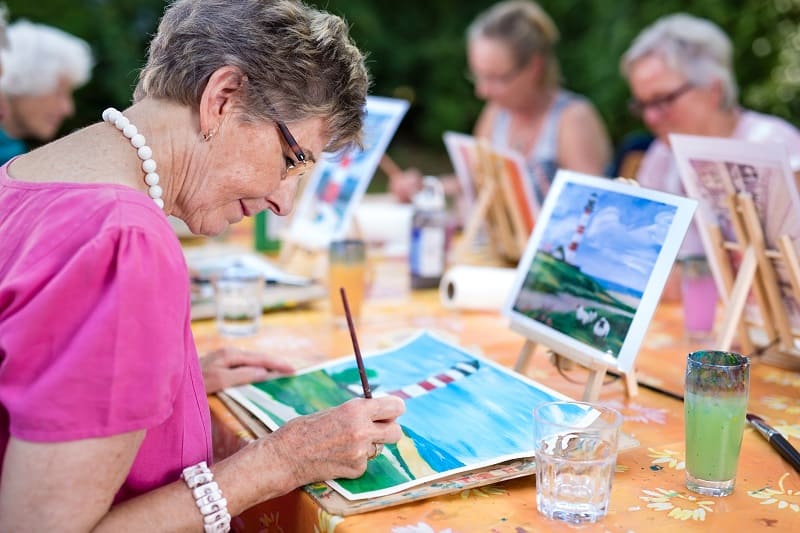
Art therapy can be transformative and often exceeds the expectations of many other therapeutic methods. A few of the benefits include:
- Decreased Anxiety and Stress: Being engaged in creative healing helps keep you calm, promotes awareness, and decreases anxiety.
- Emotional Safe-haven: The nonverbal methods of art therapy are a great way to process overwhelm, articulation difficulties, and clear up confusion.
- Emotional Toughness: Through art expression, you’ll develop emotional toughness that allows you to cope.
- Enhance Personal Growth: You will experience personal growth through art therapy while revealing your patterns, strengths, and thoughts. This leads to a greater insight.
- Improvement in Outcome: Being part of an evidence-based art therapy will result in lasting recovery and greater engagement.
Incorporating art therapy builds a connection between emotional experiences and external healing.
Client Tips
As you go through art therapy, it’s important to stay patient and trust that meaningful shifts will eventually take place. You might consider suggesting art therapy as part of your current treatment sessions to enhance the process, while also taking small steps by starting with simple tools like sketchbooks and colored pencils. Keeping a journal to visually track your progress can further help you reflect on your journey and recognize the growth that unfolds over time.
Why Does This Matters Now?
In addiction care, much of the conversation remains tethered to language: therapy sessions, narratives, journaling, talking circles. While crucial, these tools sometimes miss what is preverbal, emotional, or traumatic. Art therapy offers an alternate path, a way to express what words cannot.
It invites people to engage with their internal worlds visually, to reclaim agency, and to reshape identity through creative recalibration. In doing so, it honors that healing is as much an inner journey as a behavioral change.
If you or a loved one is considering creative modalities as part of treatment, integrating art therapy for addiction into a holistic care plan can deepen healing beyond words. Visit American Treatment Network to learn more about how our facilities integrate creative modalities alongside clinical care. Discover programs through American Treatment Network today that’ll build healing beyond words.
Frequently Asked Questions
Q: What is art therapy for addiction recovery?
A: Art therapy for addiction recovery is a therapeutic approach that uses creative activities like drawing, painting, or sculpting to help individuals process emotions, reduce cravings, and express feelings that may be difficult to articulate with words. It’s often used alongside other evidence-based treatments like counseling and medication.
Q: How does art therapy help in addiction treatment?
A: Art therapy helps individuals in recovery by providing a nonverbal outlet for emotions such as shame, anger, and fear. It encourages emotional release (catharsis), reduces feelings of isolation, and supports identity rebuilding. Creative expression also offers a healthy coping mechanism during moments of stress or craving.
Q: What types of art therapy methods are used in recovery?
A: Common art therapy techniques include:
- Collage – Creating visual metaphors from magazine images
- Mask Making – Representing internal vs external selves
- Mandala Coloring – Promoting calm and focus
- Sketch Journaling – Combining visuals and words to track healing
- Sculpting – Giving shape to tension or emotional resistance
A trained therapist guides these methods and can tailor them to individual or group settings.
Q: Is art therapy a replacement for traditional addiction treatments?
A: No. Art therapy is a complementary tool, not a replacement, for evidence-based treatments like cognitive behavioral therapy (CBT), group therapy, or medication-assisted treatment (MAT). It works best when integrated into a comprehensive recovery plan.
Q: Are there proven benefits of art therapy in addiction recovery?
A: Yes. While more research is needed specifically in addiction, existing studies in mental health and trauma show that art therapy can reduce depression, anxiety, and emotional dysregulation. Many participants also report increased engagement and satisfaction with treatment when art therapy is included.
Q: Who can benefit from art therapy during recovery?
A: Anyone in addiction recovery, especially those who struggle to express emotions verbally or process trauma, can benefit. Art therapy is also effective for individuals who find traditional talk therapy overwhelming or insufficient on its own.
Q: How often should art therapy be practiced during recovery?
A: Consistency is key. Weekly or biweekly sessions are typically recommended. Journaling, sketching, or other creative exercises between sessions can also help maintain emotional progress and reinforce coping strategies.